Custom bucket hats stay sharp longest when you hand wash them in cool water with mild detergent, reshape them while damp, air dry them away from direct heat and store them flat or loosely nested. Customized Bucket Hats builds every order around a fabric and decoration method, and both decide how gentle the routine should be.
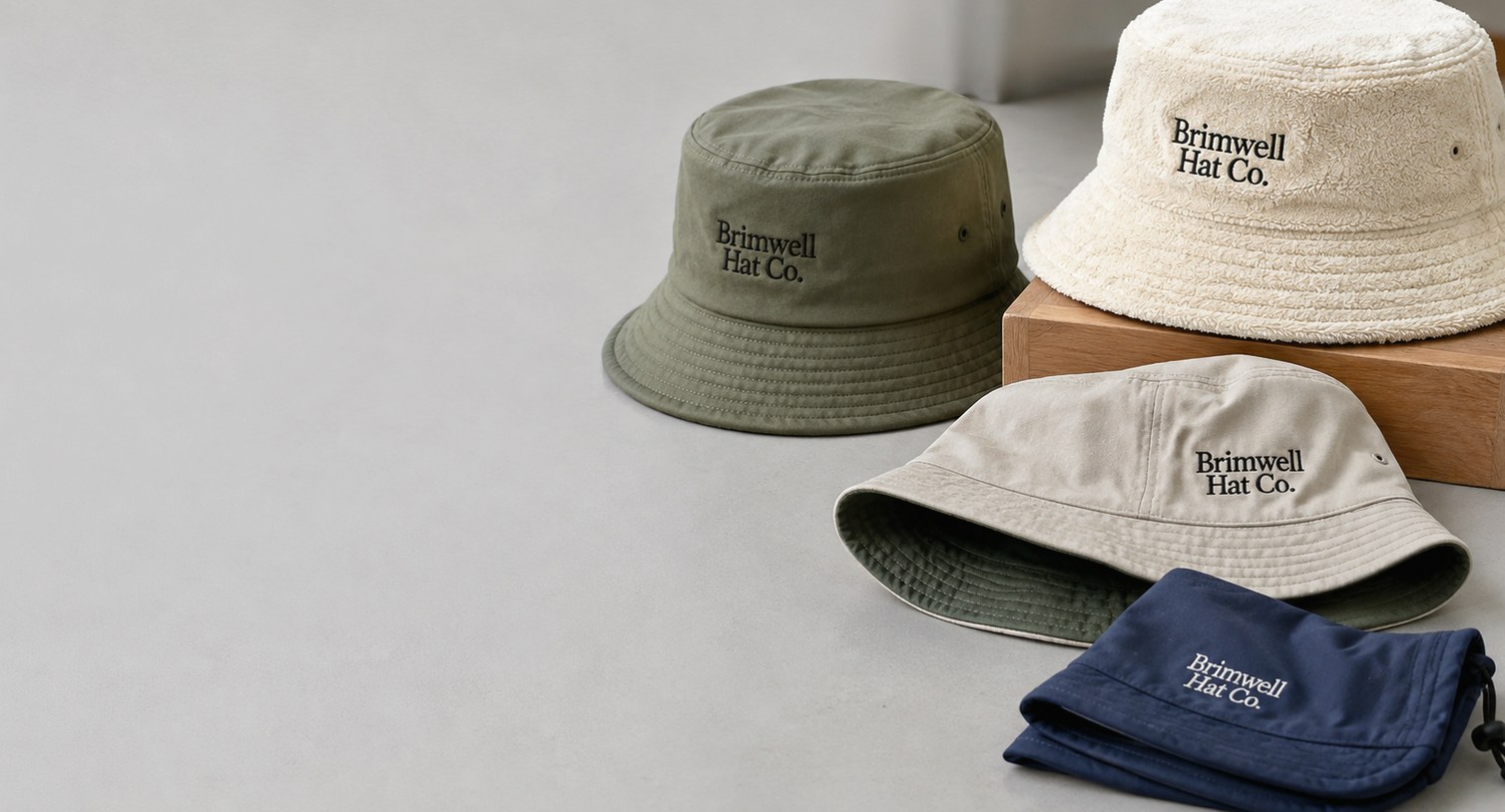
- Cool water, mild detergent and air drying suit almost every bucket hat fabric
- Embroidery, print, patches and woven labels each need slightly different handling
- Terry and corduroy prefer spot cleaning over frequent full washes
- Store bucket hats flat or loosely nested, away from sun and damp
- Free mockup within 24 hours lets you choose an easy-care combination before production
How do you wash a custom bucket hat without ruining the logo?
Wash a custom bucket hat by hand in cool water with a small amount of mild detergent, then rinse it well and press out the water without wringing. Hand washing protects the logo, the brim stitching and the crown shape far better than a machine cycle, and it takes only a few minutes per hat.
- Check the inside. Look at any care label and note the decoration method: embroidery, print, patch or woven label.
- Pre-treat stains. Dab the sweatband and any marks with diluted detergent on a soft cloth or an old toothbrush.
- Soak briefly. Submerge the bucket hat in cool, soapy water and swish it gently. Avoid scrubbing directly over the logo.
- Rinse clean. Leftover soap stiffens fabric and attracts dirt, so rinse until the water runs clear.
- Press, do not wring. Roll the hat in a towel and press to remove water without creasing the brim.
If you must use a machine, place the bucket hat in a mesh laundry bag, choose a cold, gentle cycle and wash it with similar colors. Skip bleach and fabric softener, which can dull thread and printed colors over time.
Does the fabric change how a custom bucket hat should be cleaned?
Fabric changes the care routine more than anything else on a custom bucket hat. Cotton twill tolerates regular gentle washing, ripstop rinses clean quickly, while terry and corduroy keep their texture best with spot cleaning and occasional hand washing. Knowing the fabric before you wash avoids the most common mistakes, such as a flattened corduroy wale or a fuzzy terry surface.
| Fabric | Best cleaning approach | Watch out for |
|---|---|---|
| Cotton twill | Hand wash cool or gentle cold machine cycle in a bag | Heat, which can shrink cotton and soften the brim |
| Ripstop | Quick rinse or hand wash, dries fast | Harsh detergents that strip any water-resistant finish |
| Packable ripstop | Rinse after beach or trail use, air dry before packing | Packing a damp hat, which invites mildew |
| Terry | Spot clean, occasional gentle hand wash | Rough scrubbing that pulls loops |
| Corduroy | Spot clean, brush with the wale when dry | Crushing the pile while wet |
If you are still choosing a material, the cotton twill vs. ripstop comparison and the terry, corduroy and seasonal fabrics page explain how each one wears in daily use.
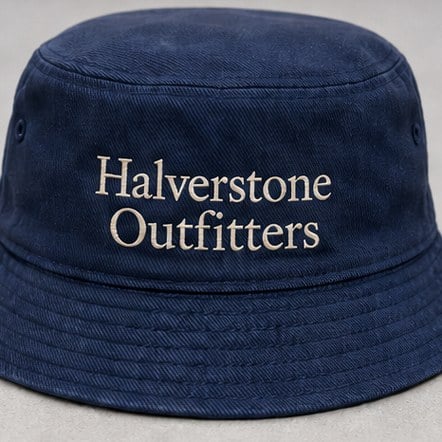
How should embroidered, printed and patched bucket hats be cared for differently?
Embroidered bucket hats handle washing well but should never be scrubbed or ironed directly on the stitching. Printed and all-over print bucket hats should be washed inside out where possible and kept away from heat. Patches and woven labels need gentle handling around their edges so they stay flat and secure.
- Embroidery. Thread is durable, but abrasion fuzzes it. Wash gently, then smooth the stitching with your fingers while damp. If you need to press the crown, use a cloth between the iron and the hat and avoid the logo.
- Printed logos. Turn the hat inside out for machine washing, use cold water and air dry. Heat is the main enemy of printed color.
- All-over print. The design is part of the fabric surface, so the same cool-wash, no-heat rule applies to the whole hat.
- Patches. Spot clean around the patch and avoid soaking leather-look or specialty patches.
- Woven labels. Treat like embroidery: gentle washing, no direct ironing.
The embroidered bucket hats and woven labels, patches and print pages show what each decoration looks like, which helps when you are matching a care routine to a hat already in your closet.
How do you dry a bucket hat so it keeps its shape?
Dry a custom bucket hat by air only, shaped over a rounded form such as a bowl, a balloon or a rolled towel, with the brim resting flat and even. Air drying in a shaded, ventilated spot keeps the crown round, the brim level and the logo free of heat damage.
A tumble dryer is the fastest way to shorten the life of a bucket hat. Heat can shrink cotton, warp the brim stitching and fade printed colors, and the tumbling action creases the brim in ways that are hard to undo. Direct sun is gentler than a dryer but still fades dark fabrics and bright prints if hats are left out for long stretches.
While the hat is still damp, run your fingers around the brim to straighten it and smooth any embroidery. If the brim has a slight wave after drying, lightly mist it with water and reshape it again rather than pressing it with a hot iron. Reversible bucket hats should dry completely on both sides before they are folded, since trapped moisture between the layers takes longer to escape.
What is the best way to store custom bucket hats before an event or between seasons?
Store custom bucket hats flat or loosely nested in a clean, dry box, kept somewhere cool and dark. Stacking a few hats inside one another keeps the crowns round, while heavy loads on top crush brims and leave creases that take time to relax.
Storage matters most for organizations that receive a full order weeks before an event, or that hold leftover stock for a later reorder or next season. A few habits protect the whole batch:
- Keep the original packing. Hats usually arrive grouped by size or color. Keeping them that way makes distribution day faster.
- Avoid damp spaces. Basements, sheds and car trunks invite musty smells and mildew, especially on cotton and terry.
- Keep boxes off the floor. A shelf protects against spills and humidity.
- Limit weight. Do not stack heavy boxes on top of hat cartons.
- Label the cartons. Mark the size, color and design so you can pull the right hats without unpacking everything.
Packable ripstop bucket hats are designed to fold, but even these look best when stored unfolded for long periods. The packable ripstop bucket hats page explains how that style handles travel.
How long do custom bucket hats last, and what wears them out?
Custom bucket hats last for many seasons of regular wear when they are washed gently, dried without heat and stored dry. The hats that wear out early are usually the ones exposed to repeated high heat, constant crushing, harsh chemicals or long stretches in strong sun, not the ones worn the most.
The main causes of wear are predictable, which makes them easy to manage:
- Heat. Dryers, hot washes, dashboards and irons fade color, shrink cotton and warp brims.
- Sweat and sunscreen. Both build up in the sweatband and crown and can discolor light fabrics if they are left to sit.
- Salt water and chlorine. A quick freshwater rinse after a beach or pool day keeps fabric and thread from stiffening.
- Abrasion. Rubbing against bags, gear or rough surfaces fuzzes embroidery and pills terry.
- Crushing. Sitting on a hat or packing it under heavy gear creases the brim.
Crews and staff who wear the same bucket hat every day can extend its life by rotating two hats, so each one fully dries between shifts. That simple habit also keeps the hats looking presentable in front of customers.
Which choices at order time make bucket hats easier to care for later?
The easiest bucket hats to care for are chosen that way at order time: a forgiving fabric, a decoration method suited to how often the hats will be washed, and a color that hides the kind of dirt they will meet. Thinking about care before you approve the mockup saves frustration later.
A few practical guidelines:
- Hats washed often (work crews, camps, kitchen and hospitality staff) do well in cotton twill or ripstop with embroidery or a woven label.
- Hats worn near water (beach staff, fishing trips, surf shops) suit ripstop or packable ripstop, which rinse and dry quickly.
- Hats sold or gifted for occasional wear can use terry, corduroy or all-over print, since they will be spot cleaned rather than washed weekly.
- Light colors show sweat and sunscreen sooner, while mid tones and darker shades hide daily wear.
Customized Bucket Hats returns a free mockup within 24 hours with unlimited free revisions, so you can compare fabric and color combinations side by side. You pay nothing until you approve the design, and standard production takes about 2 weeks after approval. Mention how the hats will be used in your quote request and the team can suggest an easy-care combination.
Should you include care instructions when you hand out or sell bucket hats?
Including simple care instructions with custom bucket hats is worth the small effort, especially for retail, team uniforms and gifts. A short note telling wearers to hand wash cool, air dry and keep the hat away from heat prevents most of the damage that makes branded merch look tired.
Care notes can be as simple as a printed card in the gift bag, a line on your online store listing or a slide in a staff onboarding packet. For a family gathering, such as the groups described on the family reunion bucket hats page, a note tucked into each hat helps relatives keep the keepsake looking good for the next reunion.
If you want branding inside the hat as well as on the front, ask about woven labels when you request a quote. The how it works page walks through the full process, from quote request to mockup approval to delivery.
Frequently asked questions
Can custom bucket hats go in the washing machine?
Custom bucket hats can go in a washing machine if you use a mesh laundry bag, a cold water setting and the gentlest cycle available. Hand washing is still the safer choice because it protects the brim stitching and the logo from abrasion. Skip the dryer entirely and air dry the hat over a rounded form so the crown and brim keep their original shape.
Will hot water shrink a cotton bucket hat?
Cotton bucket hats can shrink and lose their shape when washed in hot water or dried with heat, because cotton fibers tighten as they warm. Cool water and air drying keep the fit consistent from the first wear onward. Customized Bucket Hats recommends treating every cotton twill hat as cold-wash only, especially when the hats were ordered in specific sizes for a team or school.
Can I use bleach on a white custom bucket hat?
White custom bucket hats should not be cleaned with chlorine bleach, which can yellow fabric, weaken stitching and change the color of embroidery thread or printed logos. A mild detergent, a gentle oxygen-based stain remover tested on a hidden spot, and prompt cleaning of sweat marks work better. Choosing a mid-tone color at order time also helps if the hats will see heavy outdoor use.
How do I remove a sweat stain from the band of a bucket hat?
Bucket hat sweat stains usually lift with a soft brush or old toothbrush dipped in cool water and a little mild detergent, worked gently along the inner band. Let the solution sit briefly, rinse thoroughly and air dry. Cleaning the band every few wears is easier than tackling a stain that has set over a whole season, especially on light colored hats.
Is a tumble dryer safe for custom bucket hats?
Custom bucket hats should stay out of the tumble dryer. Heat can shrink cotton, warp brim stitching and fade printed logos, and the tumbling action leaves creases in the brim that are hard to remove. Customized Bucket Hats suggests air drying every hat over a bowl, balloon or rolled towel in a shaded spot with good airflow instead.
How do I bring back the shape of a crushed bucket hat?
A crushed bucket hat usually recovers if you lightly dampen it with a spray bottle, then reshape it over a rounded form and let it air dry. Smooth the brim with your fingers so it sits level all the way around. Avoid pressing the brim flat with a hot iron, which can leave shine marks and damage embroidery or printed artwork.
Can an embroidered bucket hat be ironed?
Embroidered bucket hats can be pressed with care, but never with the iron directly on the stitched logo. Use a low setting, place a thin cloth between the iron and the fabric and work around the embroidery rather than over it. Smoothing the stitching with your fingers while the hat is still damp after washing often removes the need for ironing altogether.
How should a store display bucket hats so they stay new-looking?
Retail bucket hats stay new-looking when displayed on hooks, hat stands or shelves where the brim is not bent, and away from windows that bring strong sunlight. Nest backstock loosely in boxes rather than stacking it under heavy items. Shops selling hats from Customized Bucket Hats can also add a short care card at checkout so buyers keep the hat looking its best.
Do reversible bucket hats need special washing?
Reversible bucket hats wash the same way as single-sided hats, using cool water, mild detergent and gentle handling, but they need extra drying time. The two fabric layers hold moisture, so let the hat dry fully on both sides before folding or storing it. Washing it with the more delicate side facing outward helps protect any printed design on the other side.
Can a corduroy bucket hat be spot cleaned instead of washed?
Corduroy bucket hats are ideal for spot cleaning, which protects the raised wale texture. Dab marks with a damp cloth and a drop of mild detergent, rinse the area with clean water, then let it dry and brush gently in the direction of the wale. Save full hand washing for heavy soiling, and never wring or crush the fabric while it is wet.
Should custom bucket hats be stored folded or stacked?
Custom bucket hats keep their shape best when stored unfolded and loosely stacked, with a few crowns nested inside one another in a dry box. Folding is fine for short trips, especially with packable ripstop styles, but long-term folding leaves creases in the brim. Customized Bucket Hats ships orders packed for transit, so unpack and nest the hats if they will wait weeks before use.
Can sunlight damage a custom bucket hat left in a hot car?
Custom bucket hats left on a dashboard or in a hot car can fade, especially dark fabrics and printed logos, and the heat may warp the brim over time. Keep spare hats in a bag or glove box, out of direct sun. Crews and drivers who keep a hat in the vehicle get more life from it by storing it shaded between uses.
Get a free mockup for your bucket hats
Send your logo or idea and the quantity you have in mind. Customized Bucket Hats returns a free mockup within 24 hours, you approve the design before anything is produced, and standard turnaround is about two weeks with faster options available. Get a custom quote.